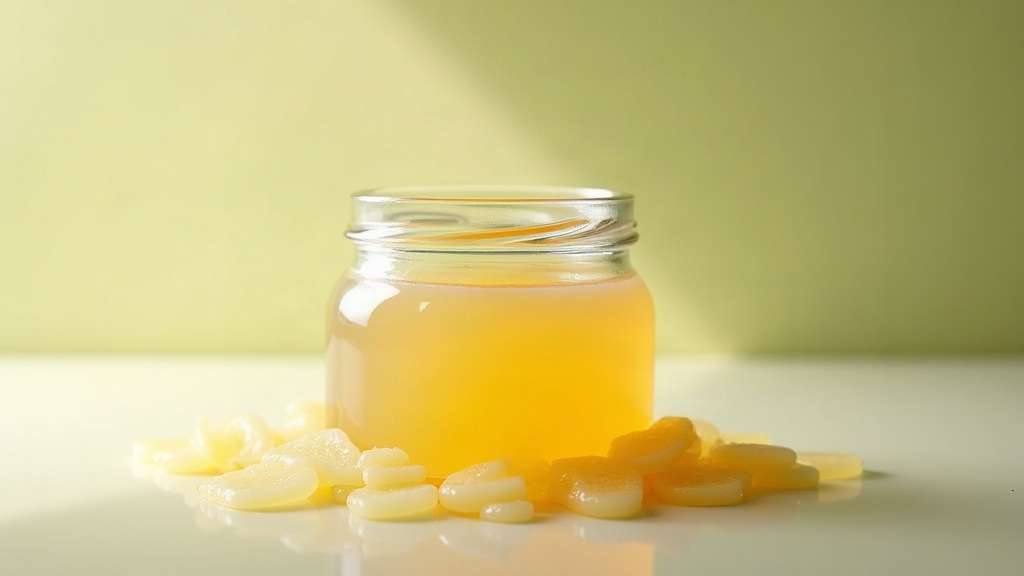
A closer look at how gelatin fits into everyday routines, collagen conversations, and the small habits many women are exploring today.
Health conversations among women increasingly circle back to a handful of shared themes — less about willpower, more about the body’s changing biology. Here are four of the most common.
Many women notice that hunger and fullness cues feel less predictable than they used to, which changes how satisfying meals feel.
As collagen production slows over time, gelatin — a cooked form of collagen — often comes up in conversations about supporting everyday routines.
Maintaining lean muscle mass is discussed more often as women look for ways to feel steady and capable day to day.
Generic calorie-counting advice rarely accounts for the hormonal and metabolic differences many women experience.
Metabolism is a frequent topic of confusion. Here’s a straightforward look at three common misconceptions.
Metabolism only slows down because of age.
Metabolism is shaped by many overlapping factors — including muscle mass, hormones, sleep, and daily habits. Age is just one piece of a larger picture.
Cutting calories aggressively is always the fastest path to change.
Very restrictive approaches can affect lean mass and energy levels over time, which is why many women look for more balanced, sustainable habits instead.
Collagen and protein stop mattering once you’re already ‘eating healthy.’
Protein quality and collagen-related habits are frequently discussed as a complement to a balanced diet, not a replacement for one.
No dramatic overhauls — just a practical way to think about daily habits.
Start by paying attention to hunger cues, energy dips, and how your body responds to different meals throughout the day.
Some women incorporate gelatin or other collagen-related ingredients into a meal or drink as one small piece of a broader routine.
Habits that stick tend to be the ones that fit realistically into daily life, rather than requiring constant willpower.
Long before gelatin became part of modern wellness conversations, it was a kitchen staple. Traditional cooks simmered bones and connective tissue for hours to create broths and gelatin-rich dishes, valued for texture and resourcefulness rather than trends. Grandmothers in many cultures made this a routine part of the kitchen, not a novelty.
Insight: The renewed interest in gelatin isn’t new — it’s a return to a practice that predates the modern supplement aisle by generations.
Feeling hungry shortly after eating, or not hungry at typical meal times, is a pattern many women describe.
Changes in skin texture or elasticity are commonly mentioned alongside conversations about collagen.
Some women notice more stiffness after exercise or long periods of sitting than they remember in the past.
Weight fluctuations that don't seem to match diet or activity levels are a frequent source of frustration.
A noticeable slump in energy in the afternoon, even after a full night's sleep, is a common complaint.
Brittle or slow-growing nails are often brought up in the same conversations as skin and joint changes.
Testimonials reflect individual experiences and opinions. Individual results may vary. These statements have not been evaluated by the FDA and are not intended to diagnose, treat, cure, or prevent any disease.
Hydrolyzed gelatin is gelatin that has been broken down into smaller components, often making it easier to dissolve in liquids compared to traditional gelatin.
Gelatin is derived from collagen through a cooking process. They are related but not identical — collagen is the raw structural protein, and gelatin is its cooked form.
Many people incorporate gelatin into recipes, drinks, or snacks as part of an established kitchen tradition. It’s worth discussing with a healthcare professional based on your individual needs.
No. Gelatin is discussed here as one ingredient among many, not a substitute for varied, balanced nutrition.
Women of many different backgrounds and life stages have shown interest in understanding collagen and gelatin as part of everyday wellness conversations.
No. This content is educational and informational only. It is not intended as medical advice, diagnosis, or treatment. Always consult a qualified healthcare professional.
The full video explainer covers this topic in more depth. You can also speak with a healthcare professional for guidance specific to you.
Watch the full explainer to understand how this simple ingredient connects to collagen, satiety, and everyday wellness habits.
Advertising Disclosure: This is sponsored content created for advertising purposes. This page may contain affiliate links, meaning we may receive compensation if you click a link and make a purchase, at no additional cost to you. We only share content and links to products we believe may be of interest to our readers.
Content Disclaimer: The content on this page is for educational and informational purposes only and is not intended as medical advice. Statements made on this page have not been evaluated by the Food and Drug Administration (FDA). This content is not intended to diagnose, treat, cure, or prevent any disease. Always consult a qualified healthcare professional before making changes to your diet, exercise, or wellness routine.
Results Disclaimer: Individual results may vary. Any testimonials or experiences shared on this page reflect the personal opinions of the individuals involved and are not a guarantee of similar outcomes for any other person.
© 2026 · All Rights Reserved · Contact: /contact/